Introduction
For decades, tiles have dominated bathroom aesthetics and functionality. But as technology and design preferences evolve, a new contender has emerged in the world of bathroom renovations wet wall panels. Also known as aqua panels, shower panels, or PVC panels, these stylish and practical solutions are revolutionizing how we approach bathroom cladding.
If you’re planning a bathroom renovation or simply exploring modern alternatives to traditional tiling in 2025, wet wall panels might just be the upgrade your space needs. In this comprehensive guide, we’ll explore what makes wet wall panels so appealing, their benefits, styles, installation process, and how they compare to conventional materials.

What Are Wet Wall Panels?
Wet wall panels are large, waterproof boards designed to cover bathroom walls, especially in moisture-prone areas like shower enclosures and around bathtubs. Unlike tiles, they don’t require grouting, making them a more hygienic and maintenance-friendly option.
Made from materials like PVC (polyvinyl chloride), acrylic, or laminate, these panels are also referred to as:
- Aqua panels
- Shower panels
- PVC panels
- Bathroom cladding
- Bathroom wall panels
They provide a seamless, watertight surface that resists mold, mildew, and moisture making them perfect for any bathroom environment.
Why Choose Wet Wall Panels Over Tiles?
Tiles have long been the go-to choice for bathroom walls, but wet wall panels are becoming increasingly popular for both aesthetic and practical reasons. Here’s why:
1. Hassle-Free Installation
Installing tiles can be a labour-intensive process involving adhesive, cutting, spacing, and grouting. In contrast, wet wall panels are designed for quick installation. They can be fixed directly onto existing surfaces, including tiles, making them a time-saving solution.
2. Waterproof and Durable
Bathroom panels are built to withstand humidity and water exposure. Their seamless design prevents water from seeping into walls, reducing the risk of damp and structural damage over time.
3. Low Maintenance
With no grout lines, bathroom wall panels don’t trap dirt and grime like traditional tiles. A simple wipe-down with a damp cloth is often enough to keep them looking spotless.
4. Stylish and Versatile
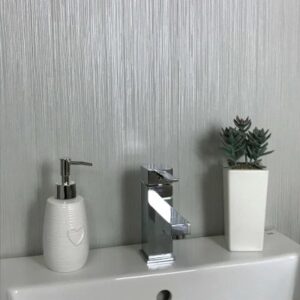
From minimalist white to textured stone effects and high-gloss finishes, aqua panels come in a wide range of styles to match any bathroom décor.
5. Cost-Effective
While the initial cost may be comparable to tiling, the long-term savings in maintenance, cleaning, and potential repairs make PVC panels a budget-friendly option.
Types of Wet Wall Panels
Wet wall panels aren’t one-size-fits-all. Depending on your needs and preferences, you can choose from several types of bathroom panels:
1. PVC Wet Wall Panels
PVC panels are among the most popular options due to their affordability and lightweight construction. Easy to cut and install, they’re ideal for DIY enthusiasts and professional fitters alike.
2. Acrylic Panels
These panels offer a glossy, glass-like finish that adds a luxurious feel to any bathroom. They’re more expensive than PVC but offer high durability and visual appeal.
3. Laminate Panels
Made by compressing layers of plywood or MDF with a waterproof laminate surface, these panels provide excellent insulation and a premium look. Ideal for high-end bathroom projects.
Where Can Wet Wall Panels Be Used?
Although often associated with shower enclosures, wet wall panels can be used in various areas of the bathroom:
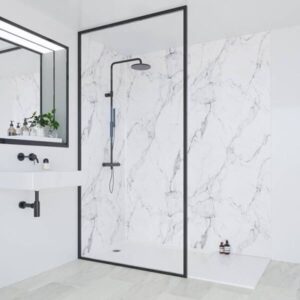
- Shower enclosures: Seamless waterproof protection makes them ideal for wet zones.
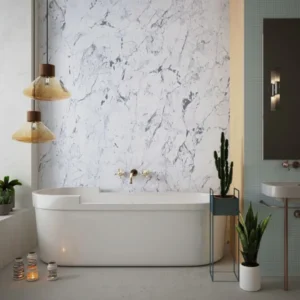
- Bathtub surrounds: Create a cohesive and watertight finish around your tub.
- Entire bathroom walls: For a sleek, modern look that’s consistent throughout the space.
- Feature walls: Use textured or printed panels to create a stunning focal point.
Popular Designs and Finishes
Bathroom cladding has evolved from plain panels to a wide variety of finishes that suit every taste. Some popular options include:
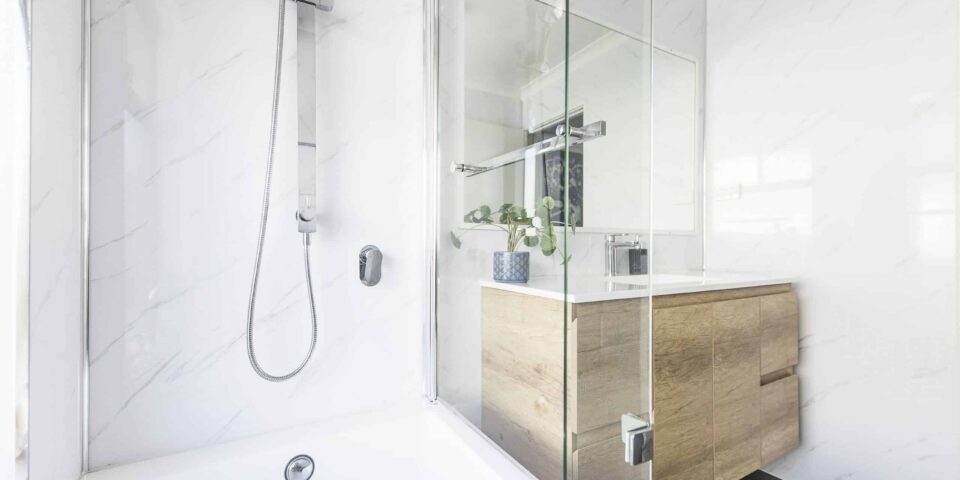
- Marble Effect Panels: Mimic natural stone at a fraction of the cost.
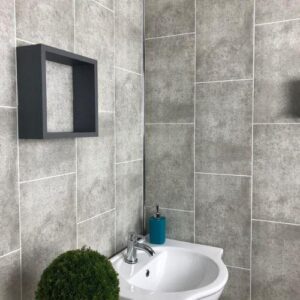
- Tile Effect Panels: Get the look of tiles without the grout.
- High Gloss White: Reflects light beautifully and makes small bathrooms feel more spacious.
- Matte Slate or Stone: Adds an organic and calming feel to spa-style bathrooms.
- Textured Wood Grain: Perfect for Scandinavian or rustic aesthetics.
Benefits of Using Bathroom Wall Panels
Beyond their visual appeal, bathroom wall panels offer a range of practical advantages:
1. Mold and Mildew Resistant
Grout is notorious for trapping moisture and encouraging mould growth. Wet wall panels, with their seamless finish, eliminate this issue entirely.
2. Quick Renovation Option
Because they can be installed over existing tiles or plaster, shower panels are perfect for quick bathroom makeovers.
3. Heat and Impact Resistant
High-quality aqua panels are built to withstand temperature changes and minor impacts, making them durable over time.
4. Eco-Friendly Options
Some bathroom cladding products are made with recycled materials or are fully recyclable at the end of their lifespan.

How to Install Wet Wall Panels
Installation of wet wall panels is straightforward, especially when compared to tile work. Here’s a simplified process:
- Preparation: Ensure walls are clean, dry, and level. Remove any loose debris or old fittings.
- Cut to Size: Use a fine-toothed saw or circular saw to trim the panels to fit your space.
- Apply Adhesive: Use high-grip panel adhesive or double-sided tape for secure placement.
- Fit and Seal: Place the panel against the wall, apply even pressure, and seal edges with waterproof silicone.
- Repeat: Continue with adjoining panels, ensuring they interlock snugly or butt together neatly.
If you’re not confident in DIY, professional installers can typically complete a standard bathroom in a day or two.

Common Questions About Wet Wall Panels
Are wet wall panels suitable for all bathrooms?
Yes, whether you have a large master bath or a compact ensuite, wet wall panels can be adapted to suit any space.
Can I install bathroom panels over tiles?
Absolutely. One of their biggest advantages is that they can go over existing tiles, saving time and effort.
How long do wet wall panels last?
With proper care, high-quality PVC panels can last 15–20 years or more.
Do bathroom wall panels require maintenance?
Minimal maintenance is needed just a soft cloth and mild detergent to wipe down surfaces.

How Wet Wall Panels Compare to Other Options
| Feature | Wet Wall Panels | Ceramic Tiles | Painted Drywall |
|---|---|---|---|
| Waterproof | ✅ Yes | ✅ With proper grout | ❌ No |
| Easy to Install | ✅ Very easy | ❌ Labor-intensive | ✅ Easy |
| Grout-Free | ✅ Yes | ❌ No | ✅ Yes |
| Mold-Resistant | ✅ High | ❌ Medium | ❌ Low |
| Cost-Effective | ✅ Yes | ✅ Varies | ✅ Yes |
| Aesthetic Variety | ✅ Wide range | ✅ Wide range | ❌ Limited |
Sustainability and Eco-Friendliness
As environmental consciousness grows, homeowners are looking for sustainable solutions. Many bathroom panels, particularly PVC panels, are made from recyclable materials. Some manufacturers even offer eco-certified products, helping reduce your carbon footprint while maintaining style and functionality.
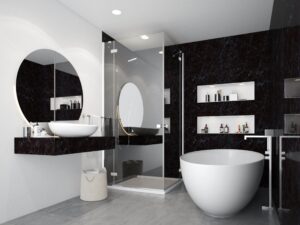
Conclusion: Are Wet Wall Panels Right for You?
If you’re after a waterproof, stylish, and low-maintenance alternative to tiles, wet wall panels are a smart investment. Whether you’re updating a dated ensuite or designing a luxury wet room from scratch, aqua panels, shower panels, and other forms of bathroom cladding offer the versatility and performance that modern bathrooms demand.
With so many colours, textures, and designs to choose from, it’s never been easier to personalize your bathroom all while saving time and money in UK.
So, step away from traditional tiles and embrace the new era of bathroom wall panels. Your future self (and your cleaning routine) will thank you.