Introduction
In recent years, a quiet revolution has been happening in the world of bathroom design. Homeowners and designers alike are increasingly turning away from traditional tiles and instead embracing a sleek, practical, and stylish alternative wet wall panels. Whether you’ve heard them called aqua panels, shower panels, PVC panels, or bathroom cladding, these innovative wall coverings are transforming bathrooms into modern sanctuaries with minimal effort and maximum impact.
So, what exactly are wet wall panels, and why are they becoming the go-to choice for modern bathrooms? Let’s dive in.
What Are Wet Wall Panels?
Wet wall panels are large, waterproof panels designed to cover the walls of bathrooms, particularly in areas exposed to water such as showers and around bathtubs. Unlike tiles, which require grout and can be prone to mold, wet wall panels offer a smooth, seamless surface that repels water and is incredibly easy to clean.
They come in a variety of materials, with PVC panels being one of the most popular due to their affordability, durability, and resistance to mold and mildew. You’ll also find options made from acrylic, laminate, or composite materials, depending on the look and feel you’re after.
The term bathroom cladding is often used interchangeably with wet wall panels, especially in the UK, and refers broadly to decorative waterproof wall coverings used in bathrooms and other wet areas.
Types of Wet Wall Panels
Let’s break down some common types of wet wall panels you’ll encounter:
1. PVC Panels
PVC wet wall panels are lightweight, easy to install, and budget-friendly. Their hollow-core structure makes them a good insulator, and their tongue-and-groove edges provide a snug, water-resistant fit. They’re perfect for DIY installations and come in a wide range of colours and patterns — from marble and stone effects to glossy and matte finishes.
2. Aqua Panels
Aqua panels are a brand-associated term often used to describe high-quality, water-resistant panels specifically engineered for use in showers and bathrooms. These panels are typically more robust and are designed to withstand heavy moisture without warping, making them ideal for shower enclosures or high-humidity environments.
3. Shower Panels
As the name suggests, shower panels are specifically designed for installation within shower areas. They’re usually larger in size and offer extra resistance to direct water exposure. Many manufacturers offer full kits that include trims, sealants, and adhesives for a completely waterproof installation.
4. Laminate and Acrylic Panels
Though pricier than PVC, laminate and acrylic wet wall panels offer a more premium look and feel. Acrylic panels, in particular, are known for their high-gloss, glass-like appearance. These materials can create a luxurious effect while still providing the low-maintenance benefits of standard wet wall panels.
Why Choose Wet Wall Panels Over Tiles?
The biggest question homeowners have when redesigning a bathroom is: “Tiles or panels?” While tiles have long been the standard, wet wall panels are increasingly proving to be a better choice in many ways:
✅ 1. No Grout = No Mold
Tiles require grout — a magnet for mold and mildew if not meticulously cleaned. Wet wall panels, on the other hand, have either sealed joints or minimal seams, drastically reducing places for mold to take hold.
✅ 2. Quick and Easy Installation
Installing tiles is a time-consuming job that often requires professional help. Wet wall panels can be fitted directly over existing tiles or plasterboard, significantly reducing labour costs and time. Many homeowners find they can handle the installation themselves, especially with lightweight PVC bathroom panels.
✅ 3. Stylish and Versatile Designs
From marble-look bathroom wall panels to high-gloss black acrylics and rustic wood effects, wet wall panels come in a huge variety of finishes to suit any style. Whether you want a sleek, modern look or a more natural, spa-like feel, there’s a panel out there for you.
✅ 4. Waterproof and Durable
Wet wall panels are specifically designed to withstand water exposure. When properly installed with the right trims and sealants, they provide a completely waterproof surface that lasts for years without warping, cracking, or discolouration.

Where Can You Use Wet Wall Panels?
Contrary to popular belief, bathroom cladding isn’t just for showers. Wet wall panels can be used throughout the bathroom, including:
- Shower enclosures
- Around bathtubs
- Behind sinks and vanities
- Full wall coverage
- Ceilings (with specialized ceiling panels)
Some homeowners even extend them beyond the bathroom to laundry rooms, wet rooms, or kitchens due to their water-resistant and hygienic properties.

Popular Styles and Trends
Bathroom aesthetics have come a long way, and bathroom wall panels are keeping up with the trends. Here are some of the most popular styles today:
🟢 Marble Effect
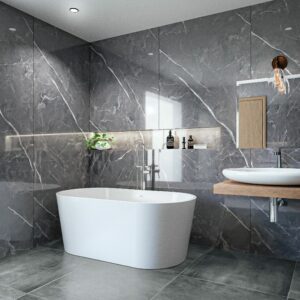
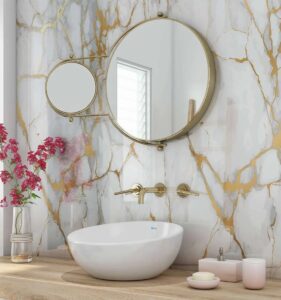
Nothing says luxury like marble. Many PVC panels and aqua panels mimic natural marble with high-definition prints and textured finishes, giving you a high-end look without the high-end price.
🔵 Matte Stone and Slate
For a spa-inspired aesthetic, stone-effect panels in matte finishes are a top pick. These panels offer a calming, natural vibe and pair beautifully with greenery and wooden accents.
⚫ High-Gloss Panels
Perfect for modern bathrooms, high-gloss shower panels reflect light and create a sleek, clean appearance. Darker colours like black or navy can make a bold statement, while white gloss panels give the illusion of more space.
🟠 Woodgrain and Rustic Finishes
Wood-effect panels provide warmth and character to a bathroom space. Whether you want a Scandinavian-inspired sauna vibe or a rustic lodge feel, woodgrain bathroom cladding can add texture and depth.

Installation Tips: Getting It Right
While many bathroom panels are DIY-friendly, a successful installation hinges on a few key considerations:
🔧 1. Surface Preparation
Ensure the wall surface is clean, dry, and level. Wet wall panels can be installed over tiles, plasterboard, or studwork with the right backing, but any damage or mold must be addressed first.
🔧 2. Use Proper Adhesives and Trims
Always use adhesives and trims recommended by the panel manufacturer. Waterproof silicone sealants are essential around joints, corners, and base areas to maintain a watertight finish.
🔧 3. Plan Layout Carefully
Measure twice, cut once! Lay out your panel configuration before committing with adhesive to ensure patterns align and joints fall in the best positions.

Maintenance and Cleaning
One of the biggest perks of using wet wall panels is how low-maintenance they are. Here’s how to keep them looking brand new:
- Use a soft cloth or non-abrasive sponge with a mild detergent or diluted vinegar.
- Avoid abrasive cleaners or scouring pads that could damage the finish.
- Dry off panels after use to prevent water spots, especially in hard water areas.
With basic care, your bathroom wall panels can look pristine for 10-15 years or longer.
Eco-Friendliness and Sustainability
Modern manufacturers are becoming increasingly eco-conscious. Many PVC panels are now made using recycled materials, and because they last longer and reduce the need for frequent renovations, they contribute to less construction waste.
Additionally, since wet wall panels don’t require energy-intensive grouting or sealing processes, they often have a smaller carbon footprint compared to traditional tiles.
Cost Comparison: Tiles vs Wet Wall Panels
Cost is always a major factor in any bathroom renovation. Here’s how bathroom panels stack up:
| Feature | Tiles | Wet Wall Panels |
|---|---|---|
| Material Cost | Medium to High | Low to Medium |
| Installation Cost | High (usually needs a professional) | Low (DIY-friendly) |
| Time to Install | 2–4 days | 1 day or less |
| Maintenance | Medium-High (grout issues) | Low (easy wipe-clean) |
| Longevity | 10–15 years | 10–15+ years |
While initial costs may vary, wet wall panels often prove more cost-effective in the long run, especially when considering labour and upkeep.

Are Wet Wall Panels Right for You?
If you’re looking for a bathroom solution that’s stylish, practical, budget-friendly, and easy to maintain, wet wall panels tick all the boxes. Whether you’re giving your en suite a quick refresh or planning a full bathroom remodel, ditch the grout and consider going seamless with PVC panels, aqua panels, or shower panels.
They offer the beauty of high-end design, the simplicity of a quick install, and the functionality required for wet environments all without the fuss of traditional tiling.

Final Thoughts
The era of endlessly scrubbing tile grout lines is behind us. With the versatility, durability, and aesthetic appeal of bathroom wall panels, it’s no wonder more and more homeowners are choosing them for their next renovation.
From bathroom cladding in rustic woodgrain to ultra-modern shower panels in glossy black, the options are as endless as your imagination. So why not upgrade your space the smart way and let wet wall panels redefine what a bathroom can be?