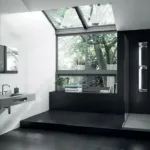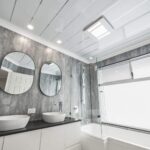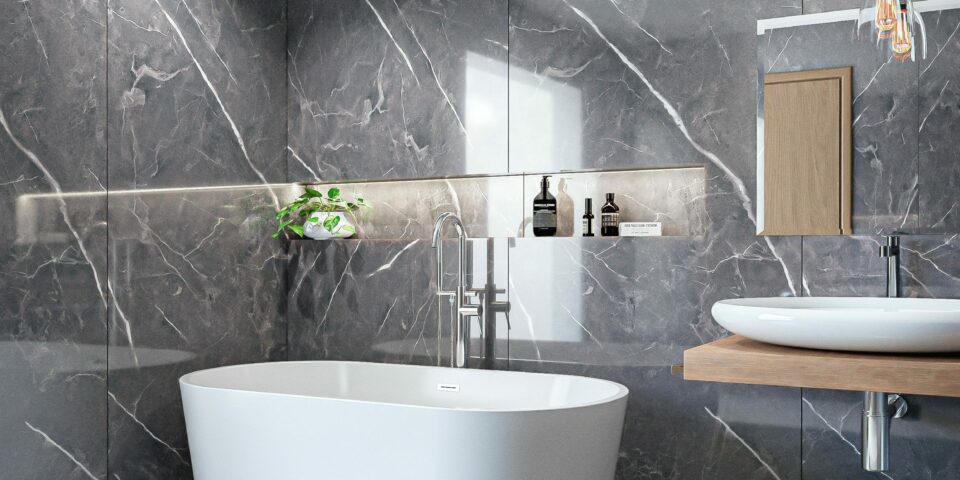
When it comes to giving your bathroom a makeover, finding a cost-effective and practical solution that is also stylish can be a bit of a challenge. One option that has been growing in popularity is wet wall panels. Whether you’re renovating your entire bathroom or just updating certain aspects, incorporating wet wall panels can add a modern touch while improving the functionality and longevity of your space in 2025.
In this blog post, we’ll dive into how wet wall panels, including aqua panels, shower panels, pvc panels, and bathroom cladding, can elevate your bathroom’s look. From their easy installation to their water-resistant features, these bathroom wall panels are a game-changer.

What Are Wet Wall Panels?
Wet wall panels are high-quality, moisture-resistant panels used for bathroom walls, designed to withstand high humidity and water exposure. Unlike traditional tiles, these panels are typically made from materials like PVC, acrylic, or composite boards, which are both waterproof and easy to maintain. Wet wall panels provide a sleek, seamless surface that keeps your bathroom looking fresh and stylish while offering a practical solution to moisture damage.
In recent years, wet wall panels have become increasingly popular because they offer a wide range of designs, colors, and textures to suit any bathroom style. Whether you’re into a sleek, modern design or prefer a more traditional aesthetic, there’s a wet wall panel option for you.

Why Choose Wet Wall Panels for Your Bathroom?
Here are some compelling reasons to consider using wet wall panels in your bathroom this year:
1. Water Resistance
As the name suggests, wet wall panels are specifically designed to withstand water exposure. Bathrooms are subjected to high levels of moisture, especially around showers and bathtubs, which can lead to mold growth and peeling paint. Wet wall panels, such as aqua panels and shower panels, offer excellent protection against these issues, providing a durable and waterproof barrier that keeps your bathroom dry and safe.
2. Easy Installation
One of the main benefits of wet wall panels is how easy they are to install compared to traditional tiles. With bathroom panels, installation is straightforward and can often be completed in a much shorter time frame. Whether you choose to install them yourself or hire a professional, the process is quicker and cleaner than tiling, which often involves grout and can be quite labor-intensive.
Many wet wall panels come with tongue-and-groove edges that interlock, making them simple to fit together, ensuring a seamless finish. No need for special tools or skills just a simple adhesive and some basic planning!
3. Low Maintenance
Wet wall panels are incredibly low-maintenance, which is a huge plus for busy homeowners. Unlike tiles, which require frequent re-grouting and cleaning of seams, bathroom wall panels are smooth and non-porous, making them resistant to dirt and grime build-up. A quick wipe-down with soapy water is all you need to keep your wet wall panels looking pristine.
Additionally, the absence of grout means there’s no mould or mildew to worry about, which can be common in bathrooms that suffer from moisture issues.
4. Durability
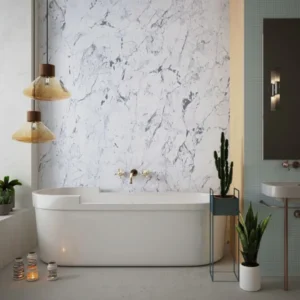
Wet wall panels, such as pvc panels, are highly durable and resistant to wear and tear. They are built to withstand the constant exposure to water, humidity, and steam without deteriorating. Unlike traditional wall coverings like wallpaper, which can peel or disintegrate in damp environments, wet wall panels offer a long-lasting solution that will continue to look great for years.
The strength of wet wall panels ensures they maintain their integrity even in areas with frequent use, such as shower enclosures or high-traffic bathrooms.
5. Variety of Designs
Wet wall panels come in a wide variety of finishes, designs, and textures, making it easy to find something that complements your bathroom style. Whether you prefer a sleek, minimalistic look with a high-gloss finish or a more textured, stone-inspired look, there’s a wet wall panel option for you.
From aqua panels with calming ocean tones to vibrant colors that add a touch of personality, you can customize your bathroom’s look by selecting bathroom cladding that aligns with your vision. Some panels even mimic the look of natural materials like marble or stone, giving you a luxurious feel without the high cost and maintenance requirements of real stone.
6. Eco-Friendly Options
Many manufacturers now offer eco-friendly wet wall panels made from sustainable materials, such as recycled PVC or recyclable acrylics. By choosing these panels, you can contribute to reducing your carbon footprint while also improving the aesthetics and functionality of your bathroom. When you choose to install bathroom cladding made from eco-friendly materials, you’re investing in both style and the planet.

Types of Wet Wall Panels
Not all wet wall panels are created equal. There are various types of panels to choose from depending on your bathroom’s needs. Here are some of the most popular options:
1. Aqua Panels
Aqua panels are one of the most popular choices for bathroom walls due to their exceptional water resistance. They are specifically designed for wet areas such as showers and around bathtubs. Aqua panels come in a wide range of colors and designs, from bold patterns to calming neutral shades, making them ideal for any bathroom.
These panels are also incredibly durable, offering long-term protection against water damage and mold growth, making them an excellent investment for your bathroom renovation.
2. Shower Panels
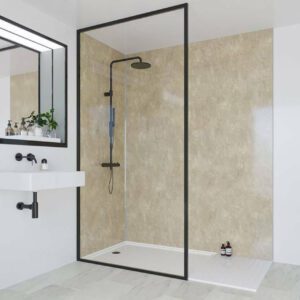
Shower panels are similar to aqua panels but are designed specifically for use in shower enclosures. They are engineered to withstand the intense moisture and steam produced in shower areas. Shower panels come in a variety of finishes, including glossy, matte, and textured, to provide you with the perfect look for your shower space.
These panels are often designed to be sleek and seamless, eliminating grout lines and making cleaning much easier. With shower panels, you can say goodbye to scrubbing grout or worrying about mould in your shower.
3. PVC Panels
PVC panels are another popular choice due to their affordability, ease of installation, and waterproof properties. PVC is a lightweight material that is resistant to moisture, making it a great choice for wet environments like bathrooms. These panels come in a wide range of finishes, from simple colours to intricate designs and textures, allowing you to create a bathroom that fits your style.
PVC bathroom panels are also highly durable and resistant to fading or staining, making them a long-lasting option for your bathroom walls.
4. Bathroom Cladding
Bathroom cladding is an alternative to traditional tiling, offering a waterproof and low-maintenance solution for covering bathroom walls. Bathroom cladding is available in various materials, such as PVC, acrylic, or composite boards, and is designed to provide a durable and attractive finish.
Whether you choose traditional cladding or modern wet wall panels, this solution can transform your bathroom while saving you time and effort on cleaning and maintenance.
5. Bathroom Wall Panels
Bathroom wall panels come in many different materials, including acrylic, laminate, and composite. They offer excellent protection against moisture and are designed to create a waterproof barrier in wet areas. Bathroom wall panels are often easy to install and maintain, making them a convenient and practical option for homeowners looking to renovate their bathrooms.
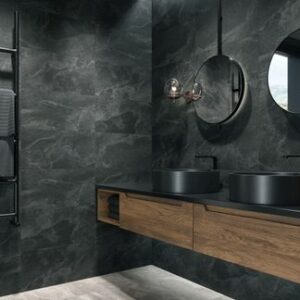
With bathroom wall panels, you have the flexibility to choose from a range of colours and finishes to create the look you desire. You can even opt for panels that mimic the appearance of natural stone or tiles, achieving a luxurious look at a fraction of the cost.
How to Install Wet Wall Panels
Installing wet wall panels is a relatively simple process that requires minimal tools and experience. Here’s a step-by-step guide to help you with the installation:
- Preparation: Before you start, make sure your bathroom walls are clean, dry, and free of any debris. If you’re installing over old tiles, you may need to remove them first.
- Measure and Cut: Measure the dimensions of your bathroom walls and cut the panels to size using a saw or cutter. Most wet wall panels are designed to be easily cut to fit, allowing you to tailor the panels to your space.
- Apply Adhesive: Apply a strong adhesive to the back of each panel using a notched trowel. Be sure to cover the entire surface for maximum adhesion.
- Install Panels: Begin at the bottom of the wall and work your way up. Press the panels firmly into place, ensuring they are aligned and level. If using tongue-and-groove panels, interlock the edges as you go.
- Seal the Edges: Once all panels are in place, seal the edges with silicone to ensure a waterproof finish.
- Enjoy Your New Bathroom: After installation, give the panels a quick wipe-down, and your bathroom will be ready to enjoy!
Conclusion
If you’re looking to transform your bathroom without the hassle of traditional tiling, wet wall panels are an excellent choice. Whether you opt for aqua panels, shower panels, or bathroom cladding, these panels offer a practical, cost-effective, and stylish solution that will help keep your bathroom looking fresh and modern for years to come.
With easy installation, low maintenance, and a variety of designs, wet wall panels are the perfect option for any bathroom makeover. This year, give your bathroom the upgrade it deserves by incorporating these beautiful and functional panels into your space.