Introduction
When it comes to bathroom renovations in 2025, there’s one element that can make a world of difference how you choose to finish the walls. While tiles have been the go-to option for decades, wet wall panels are emerging as a sleek and modern alternative. Not only are wet wall panels versatile, but they offer a myriad of benefits that can make bathroom maintenance simpler and your space more visually appealing. Among the different types of wet wall panels available, options like aqua panels, shower panels, and PVC bathroom wall panels are increasingly popular for homeowners looking to revamp their bathrooms.
In this blog, we’ll explore everything you need to know about wet wall panels, from what they are, to how they work, and the various types available. If you’re considering updating your bathroom with these innovative products, read on to discover how wet wall panels could be the perfect solution for your space.
What are Wet Wall Panels?
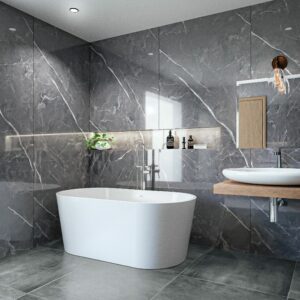
Wet wall panels are an excellent modern alternative to traditional bathroom tiles. As the name suggests, these panels are designed to withstand the moisture and humidity commonly found in bathrooms, particularly in areas like showers and wet rooms. Wet wall panels are made from a variety of materials, including PVC (Polyvinyl Chloride), acrylic, and even high-pressure laminate, making them water-resistant and durable.
Unlike traditional bathroom cladding that can require grout and sealant, wet wall panels offer a seamless surface that is easy to maintain and clean. The fact that they don’t need grout makes them much less prone to mold and mildew growth, which is often a concern in bathrooms with poor ventilation.
Wet wall panels come in different designs, finishes, and sizes, making them highly customizable. Whether you prefer a minimalist aesthetic or something more vibrant, wet wall panels can provide the look you’re after. You can install them over existing tiles, walls, or even directly onto the studs, making them incredibly easy to apply.
Why Choose Wet Wall Panels for Your Bathroom?
If you’re in the process of renovating your bathroom, you may be wondering whether wet wall panels are the right choice for you. Here are some of the key benefits:
1. Waterproof and Moisture-Resistant
As the name suggests, wet wall panels are designed to handle water. Unlike traditional tiles, wet wall panels are designed to be fully waterproof, preventing any water penetration that could lead to mold, mildew, or deterioration of the walls over time. This feature is particularly important for areas of the bathroom that see constant exposure to water, such as shower areas, bathtubs, and sinks.
2. Low Maintenance
Traditional bathroom tiles often require grout cleaning, sealing, and other regular maintenance tasks to keep them in top condition. Wet wall panels, on the other hand, are almost maintenance-free. Since they don’t have grout lines, they are far easier to clean—simply wipe them down with a damp cloth to remove water spots and soap scum. The smooth surface makes cleaning a breeze, so you can spend less time scrubbing and more time relaxing.
3. Durability and Longevity
Made from durable materials like PVC or acrylic, wet wall panels are built to last. These panels are resistant to scratches, stains, and fading, ensuring that your bathroom looks great for many years to come. In fact, some wet wall panels come with long warranties, which is a testament to their quality and longevity. Whether you’re looking for bathroom cladding that can withstand heavy use or shower panels that are built to endure constant moisture exposure, wet wall panels have you covered.
4. Aesthetic Appeal
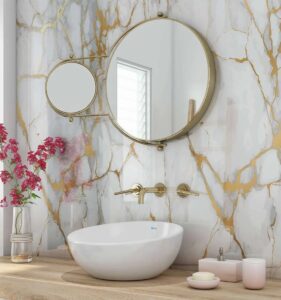
Wet wall panels are available in a variety of finishes, textures, and colors, allowing you to customize your bathroom’s look. From sleek, modern designs with high gloss finishes to matte and textured options that create a more rustic or natural vibe, the design possibilities are endless. Many wet wall panels also mimic the look of tiles, stone, or wood, providing the aesthetic appeal of traditional materials without the high maintenance requirements.
5. Quick and Easy Installation
Compared to traditional tiles, which require mortar, grout, and precise alignment, wet wall panels are incredibly easy to install. Most wet wall panels are designed to be clicked into place or bonded with adhesive, making them suitable for DIY enthusiasts or professional installers. If you’re looking for a fast renovation solution, wet wall panels are ideal, as they can be installed in a fraction of the time it would take to tile and grout a bathroom.

Types of Wet Wall Panels
There are several different types of wet wall panels available, each offering specific benefits depending on your needs. Here are the most popular options:
1. PVC Bathroom Panels
PVC panels are one of the most commonly used types of wet wall panels. PVC (Polyvinyl Chloride) is a durable, lightweight, and waterproof material that resists moisture, making it an excellent choice for bathrooms. PVC panels are often available in large sheets, which allows for fewer seams and joints, reducing the risk of water infiltration.
These panels are also highly customizable, with options ranging from plain white to designs that mimic stone, marble, or wood. PVC bathroom panels are cost-effective, easy to install, and highly durable, making them a popular choice for both budget-conscious and luxury bathroom renovations.
2. Aqua Panels
Aqua panels are another popular option for bathroom wall cladding. These panels are specially designed to be used in high-moisture areas such as showers and wet rooms. Aqua panels are typically made from a moisture-resistant composite board, which is then covered with a high-quality laminate or acrylic layer for a sleek finish.
Aqua panels are incredibly durable and come in a wide range of styles and finishes. Whether you’re looking for a contemporary bathroom or a more traditional design, you’ll find an aqua panel style that suits your preferences. Their water-resistant properties make them an excellent choice for areas that experience heavy exposure to water.
3. Shower Panels
Shower panels are specifically designed for use in shower enclosures and wet rooms. These panels are typically made from either acrylic or PVC, ensuring they can withstand prolonged exposure to water without becoming damaged. Shower panels are available in a wide range of colors, finishes, and sizes to match any bathroom décor.
Many shower panels also feature built-in antibacterial coatings, which prevent the growth of mold and mildew. These features, combined with their easy-to-clean surfaces, make shower panels a hygienic choice for your bathroom.
4. Bathroom Cladding Panels
Bathroom cladding is a term used to describe wall panels that are specifically designed for bathroom environments. This includes both wet wall panels and other types of waterproof cladding systems. Bathroom cladding panels are designed to protect your walls from moisture, ensuring they remain in top condition for years to come.
Whether you choose PVC, acrylic, or another material, bathroom cladding panels are an excellent solution for any bathroom. They are available in a variety of colors and designs to suit different tastes, from modern and minimalist to more traditional looks.

How to Install Wet Wall Panels
One of the reasons many homeowners opt for wet wall panels over traditional tiles is the ease of installation. Here’s a simple step-by-step guide on how to install wet wall panels:
- Preparation: Begin by measuring the area where you plan to install the panels. Ensure that the walls are clean, dry, and free from any dust, grease, or other debris that could interfere with adhesion.
- Cutting Panels: Wet wall panels come in a variety of sizes, so you may need to cut them to fit your space. This can usually be done with a fine-toothed saw or a utility knife, depending on the material.
- Adhesive Application: Apply a strong adhesive to the back of the panels or to the wall surface. For best results, use a high-quality bathroom adhesive that is designed for use with wet wall panels.
- Panel Installation: Press the panels firmly into place, starting from one corner and working your way across the wall. Use spacers if necessary to ensure even gaps between panels.
- Sealing Joints: Once all the panels are in place, use silicone sealant to seal the joints between the panels to prevent water from seeping behind them.
- Finishing Touches: Finally, install any edge trims or finishing strips to give the wall a neat, professional look.

Conclusion
Wet wall panels are a fantastic solution for homeowners looking to upgrade their bathrooms with a practical, stylish, and low-maintenance alternative to traditional tiles. Whether you choose PVC bathroom panels, aqua panels, or shower panels, you’ll find that these panels provide a seamless, waterproof finish that is both visually appealing and easy to maintain.
So, if you’re looking to create a bathroom that combines functionality with elegance, consider incorporating wet wall panels into your design. With their endless possibilities and undeniable benefits, they’re sure to elevate your space to the next level.
From their durability and aesthetic appeal to their quick and easy installation, wet wall panels are an investment that can transform your bathroom. So, if you’re ready to upgrade your space, consider incorporating wet wall panels into your next renovation project. Not only will you save time and effort, but you’ll also enjoy a beautiful bathroom that stands the test of time.