Background
For decades, tiles have been the go-to option for UK bathrooms. They’re traditional, stylish, and offer some degree of moisture resistance. But times are changing, and modern homeowners are rethinking how they renovate their bathrooms. A new trend is gaining momentum and it’s not just practical, it’s stylish, affordable, and incredibly easy to maintain. Enter: wet wall panels.
Also known as aqua panels, shower panels, or PVC panels, these sleek surfaces are part of a wider movement toward bathroom cladding an alternative to tiles that is taking the UK home improvement scene by storm. Whether you’re renovating a rental property, upgrading your family bathroom, or creating a luxury en-suite, bathroom panels offer a solution that combines form and function without the hassle of traditional tiling.
In this blog, we’ll walk you through the latest UK trends in bathroom wall panels, the benefits of making the switch, and how to choose the best design for your home.

Why UK Homeowners Are Ditching Tiles
Let’s face it tiles, while classic, come with their fair share of drawbacks. Grouting discolours over time, moisture creeps into the seams, and cleaning becomes a weekly battle. Installing them is time-consuming and messy, and the cost can easily spiral out of control.
That’s where wet wall panels come in. They’re easy to install, 100% waterproof, and available in a stunning range of finishes. From marble-effect gloss to concrete textures, bathroom cladding has evolved into a versatile design solution for modern UK homes.

The Benefits of Wet Wall Panels
1. Waterproof by Design
Unlike tiles that rely on grout and sealant for waterproofing, aqua panels and shower panels are constructed from moisture-resistant materials like PVC or composite board. This makes them perfect for wet environments such as showers, behind bathtubs, or full wet rooms.
2. Effortless Maintenance
One of the biggest complaints about tiled bathrooms is the grout. It harbours mould, stains, and dirt. Bathroom wall panels, on the other hand, feature smooth surfaces with either no seams or tight joins sealed with trims. Cleaning them takes just a wipe with a damp cloth no scrubbing, no bleach.
3. Faster Installation
Tiles require preparation, adhesive setting, and grouting. Wet wall panels can be fitted directly over existing tiles or plaster, saving hours (or days) of work. This makes them ideal for quick renovations or urgent bathroom fixes in rental properties.
4. Modern Aesthetic Appeal
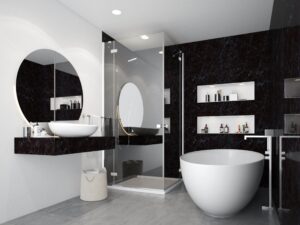
From sleek matte black to natural stone and marble effects, PVC panels come in a wide variety of colours and textures. Many UK homeowners are turning to these panels to create spa-like bathrooms with a minimal, cohesive finish.
5. Cost-Effective
Compared to tiling, using bathroom cladding can save a significant amount of money not just in material costs but in labour too. Whether you choose to DIY or hire a tradesperson, the savings are real and immediate.
Top UK Trends in Bathroom Panels for 2025
As more UK homeowners embrace the benefits of bathroom panels, new trends are emerging. Here’s what’s hot right now in wet wall design:
1. Bold Marble & Stone Finishes
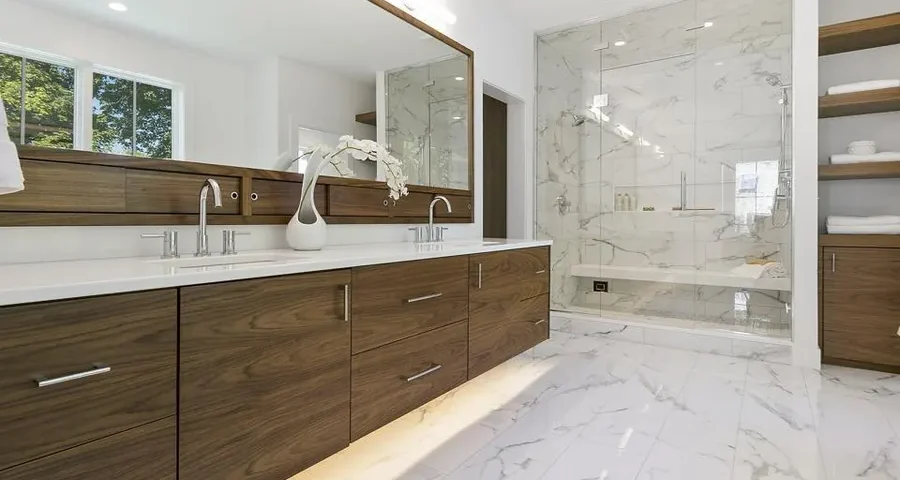
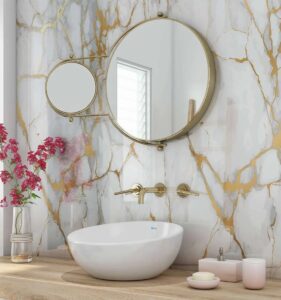
Marble-effect bathroom wall panels are dominating UK bathroom renovations. They mimic the luxurious look of real marble without the weight, cost, or maintenance. Black marble, white Carrara, and grey veined panels are particularly popular for creating high-end spa aesthetics.
2. Matte Black Accents
Pairing matte black fixtures with textured wet wall panels gives a modern, urban edge to bathrooms. Black shower trims, taps, and accessories contrast beautifully with light-coloured PVC panels or concrete-style shower panels.
3. Wood-Effect Cladding
Rustic meets refined with wood-look bathroom cladding. These panels add warmth and texture without the risk of water damage that real wood would face in a wet environment. Oak, walnut, and driftwood effects are especially on-trend for 2025.
4. Full Wall Coverage
Many UK homeowners are choosing to clad entire bathrooms rather than just splash zones. Full-wall aqua panels create a clean, seamless look that enhances both waterproofing and design cohesion. Bonus: it makes even small bathrooms look bigger.
5. Mix & Match Textures
One of the biggest panel trends is mixing different textures and colours. For example, using a high-gloss marble effect around the bath, and matte stone-look panels on other walls. This adds depth and style while keeping the design modern and practical.
Popular Types of Bathroom Wall Panels
Not all bathroom panels are created equal. Depending on your needs and budget, here are the most popular types available in the UK:
1. PVC Wet Wall Panels
- Lightweight and affordable
- Available in a wide range of designs
- Easy to install
- Ideal for DIY projects
2. Laminate Shower Panels
- Higher-end look and feel
- Often more durable and thicker
- Great for luxury bathrooms
- Require precise installation
3. Composite Bathroom Panels
- Made from materials like MDF or WBP (Water Boil Proof) plywood, bonded with decorative laminate
- Superior water resistance
- Suitable for high-traffic family bathrooms
Each option comes with its own pros and cons, but all outperform tiles when it comes to maintenance and installation speed.

Where to Use Bathroom Cladding
Wet wall panels are far more versatile than most homeowners realise. Here’s where they’re making the biggest impact:
- Shower enclosures: Replace fiddly tiles with seamless shower panels.
- Behind baths: Create a statement wall with large-format aqua panels.
- Sink splashbacks: Easy to wipe down and match to the rest of your décor.
- Full bathroom walls: Use bathroom cladding to completely transform your space.
- Ceilings: Yes, some panels are suitable for ceilings too ideal for wet rooms or high-moisture environments.

Installation Tips: DIY or Hire a Pro?
One of the perks of PVC panels is that many UK homeowners choose to install them themselves. Here are some tips:
DIY Tips:
- Measure your walls accurately.
- Use a fine-tooth saw to cut panels to size.
- Apply high-quality adhesive and ensure panels are level.
- Use joining trims and silicone sealant for a watertight finish.
If you’re not confident with tools or want a flawless finish, hiring a professional is always a good idea especially for laminate or composite bathroom panels which may require more precision.

Comparing Wet Wall Panels vs. Tiles
| Feature | Wet Wall Panels | Tiles |
|---|---|---|
| Waterproof | Yes, seamless surface | Yes, but depends on grout/seal |
| Installation Time | Fast (1–2 days max) | Slow (several days) |
| Maintenance | Easy wipe-down | Requires regular grout scrubbing |
| Cost | Affordable | Varies, can be expensive |
| Aesthetic Variety | Wide range of designs | Wide, but limited by grout lines |
| Durability | Very good (especially composite) | Good, but grout wears over time |
Environmental Impact: Are Wet Wall Panels Eco-Friendly?
Many PVC panels are now made with recyclable materials or low-emission manufacturing processes. For eco-conscious homeowners, look for brands that use sustainable practices. Some premium options even come with certifications for indoor air quality and sustainability.

Final Thoughts: A Smarter Way to Renovate
The growing popularity of bathroom wall panels in the UK shows a shift toward smarter, more efficient renovation solutions. Whether you’re updating a tired en-suite, building a new wet room, or upgrading your rental property, wet wall panels offer a stylish, waterproof, and cost-effective alternative to tiles.
From aqua panels to shower panels, PVC panels to composite cladding, there’s a solution for every style and budget. With quick installation, minimal maintenance, and endless design options, it’s time to say goodbye to tiles and hello to a new era of UK bathroom design.
Start exploring bathroom cladding options today and bring your dream bathroom to life. With wet wall panels, you don’t just upgrade your space you simplify your life.